 Admin
Admin
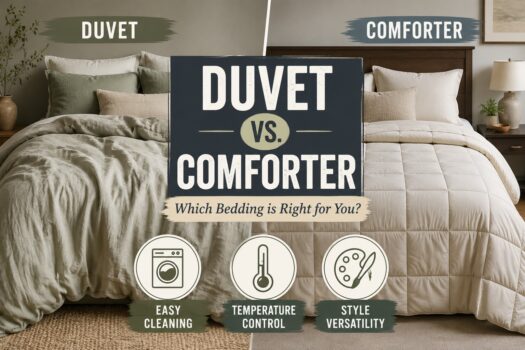
What is a Duvet vs. Comforter
The Ultimate Bedding Comparison Guide: what is a Duvet vs. Comforter
Choosing the right bedding is a fundamental step in creating a sleep sanctuary that balances style, warmth, and ease of maintenance. While the terms “duvet” and “comforter” are often used interchangeably, they represent two distinct bedding systems with different histories, constructions, and benefits. This comprehensive pillar article explores everything you need to know to decide which option is best for your lifestyle.
Part 1: Defining the Contenders
What is a Duvet?
The word “duvet” originates from the French word for “down”. In Northern European and Scandinavian cultures, where warmth is essential, duvets were traditionally flat bags filled with the down of eider ducks.
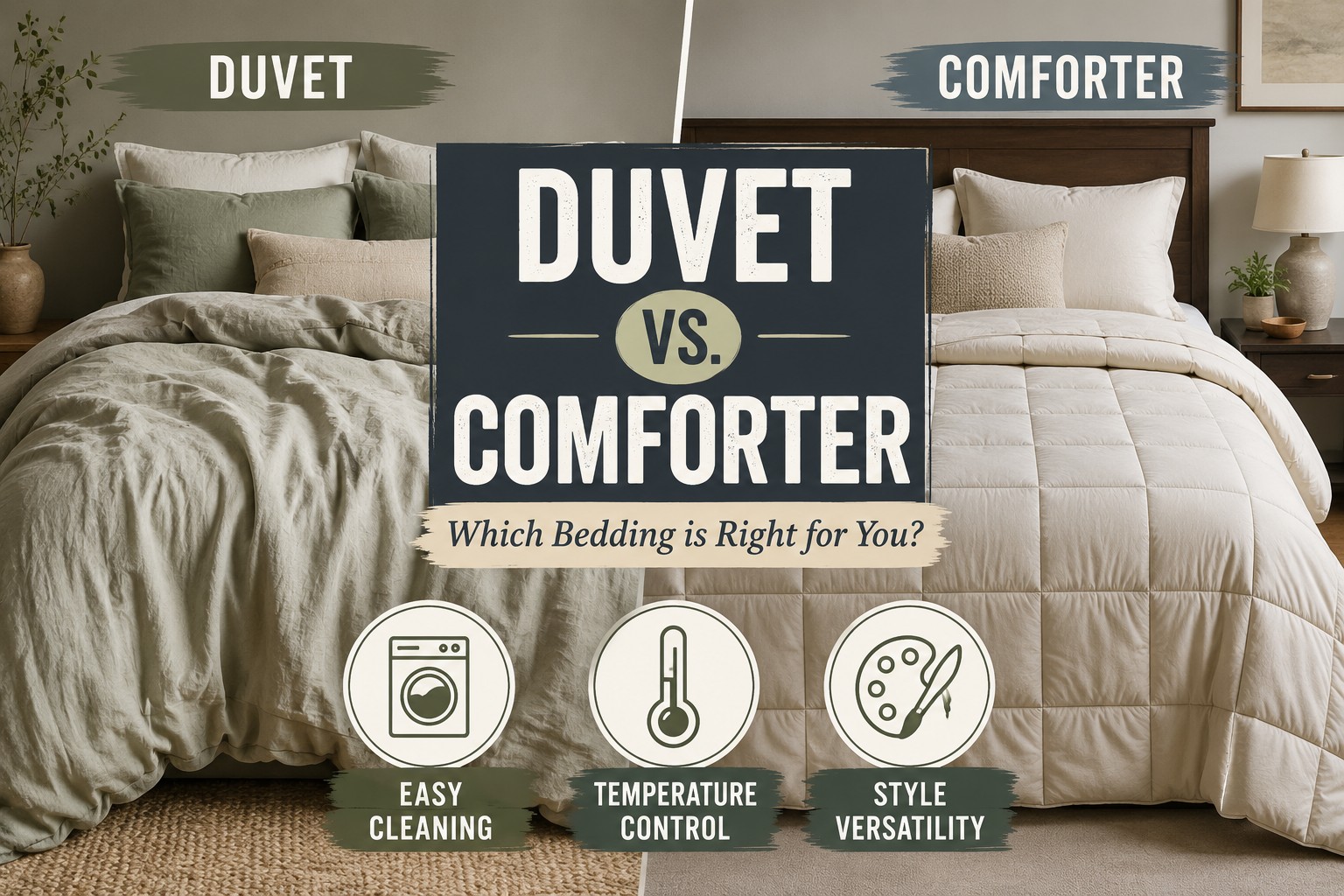
Today, a duvet is defined as a two-piece system consisting of a soft, flat bag (the insert) and a protective, decorative cover. The insert is filled with down, feathers, wool, or synthetic alternatives like TENCEL™ or microfiber. It is designed to be used with a duvet cover, which acts like a pillowcase for your blanket, allowing for easy washing and style updates.
What is a Comforter?
A comforter is a single-piece, all-in-one quilted blanket. It is typically composed of a fashion fabric exterior with a filling of synthetic fibers, down, or feathers sewn-through to keep the material evenly distributed. Unlike duvets, comforters are intended to be used as-is, without a cover, and often come as part of a “bed-in-a-bag” set with matching sheets and pillow shams.
Part 2: Key Differences at a Glance
To help you choose quickly, here is a breakdown of how these two bedding types compare across essential categories:
| Feature | Duvet System | Comforter |
| Construction | Two pieces (Insert + Cover) | One piece (All-in-one) |
| Ease of Cleaning | High (Wash cover weekly) | Low (Must wash entire unit) |
| Warmth | Adjustable via insert weight | Fixed based on construction |
| Style Versatility | High (Swap covers easily) | Limited (Must buy new comforter) |
| Maintenance | Simple (Machine washable cover) | Challenging (May need professional cleaning) |
| Top Sheet | Optional (Cover acts as sheet) | Required (To keep it clean) |
Part 3: The Pros and Cons of Each System
The Duvet Advantage
- Hygiene and Ease of Cleaning: Because the duvet cover protects the insert, you only need to wash the cover regularly (every 1–2 weeks), while the insert itself only needs cleaning every few months or years.
- Style Versatility: You can transform your bedroom’s look seasonally by simply swapping the cover.
- Space Saving: Duvet covers are compact when folded, taking up far less linen closet space than multiple bulky comforters.
- The “No Top Sheet” Lifestyle: In Europe, it is common to skip the top sheet because the duvet cover is easily washable and serves the same hygienic purpose. This also makes making the bed much faster.
The Comforter Advantage
- Simplicity: Comforters are ready to use straight out of the box with no struggle to fit an insert into a cover.
- Uniform Look: Because the filling is sewn into the fashion fabric, it offers a consistent, quilted appearance that doesn’t bunch up.
- Coordinated Sets: Comforters often come in complete sets, taking the guesswork out of matching your shams and sheets.
Part 4: Technical Specifications to Consider
- Fill Power and Loft
Fill power measures the amount of space one ounce of down occupies.
- 400 or below: Lightweight, ideal for summer or warm climates like the UAE.
- 500–600: Medium warmth, suitable for year-round use.
- 700+: Supreme warmth for very cold environments.
- TOG Ratings
TOG (Thermal Overall Grade) indicates the degree of insulation.
- Low TOG (1.5–4.5): Cooling and breathable for hot sleepers.
- High TOG (10.5–15): Snug and warm for winter.
- Construction Methods
- Baffle Box: Features internal fabric strips sewn in a grid to allow the filling to reach its maximum loft without shifting.
- Box Stitch: The top and bottom layers are sewn together in squares. While this prevents shifting, it provides less loft than baffle box construction.
Part 5: Material Matters
The material of your bedding significantly impacts your sleep quality, especially regarding temperature regulation and skin sensitivity.
Natural Fillings
- Down and Feathers: Provide exceptional warmth and lightness. Goose down is often considered a premium option.
- Wool: Naturally temperature-regulating and moisture-wicking.
- Silk: Luxurious and excellent for temperature regulation.
Synthetic and Semi-Synthetic Fillings
- Microfiber/Polyester: Hypoallergenic, affordable, and easy to clean.
- TENCEL™ Lyocell: A sustainable fiber made from wood pulp. It is highly breathable, moisture-wicking, and naturally resistant to bacteria growth.
Cover Fabrics
- Cotton: Breathable and soft. Egyptian and Pima cotton are top-tier choices for durability.
- Linen: Extremely durable and breathable, though it may feel coarse initially.
- Bamboo: Naturally hypoallergenic and eco-friendly.
Part 6: How to Choose the Right One for You
Consider Your Climate
If you live in a hot, humid climate like Singapore or Dubai, a duvet with a lightweight TENCEL™ or cotton cover is often superior because it allows for better airflow and moisture-wicking. For those in colder regions, a heavy-weight down comforter or high-fill-power duvet insert provides the necessary insulation.
Consider Your Sleeping Habits
- Hot Sleepers: Should look for materials like linen, bamboo, or TENCEL™ and avoid heavy synthetic fills that trap heat.
- Active Sleepers: May find that comforter layers get jumbled at night. A duvet (especially without a top sheet) stays in place more easily.
- Allergy Sufferers: Both can be hypoallergenic, but a duvet system allows you to wash the outer barrier more frequently, which is better for controlling dust mites.
Consider Your Budget
Comforters often have a lower upfront cost, especially when sold in “bed-in-a-bag” sets. However, a duvet system can be more cost-effective long-term because you only need to replace the cover to change your style, rather than the entire bulky unit.
Part 7: Maintenance and Care Guide
How to Wash Your Bedding
- Duvet Covers: Wash every 1–2 weeks in warm or cold water depending on the material.
- Inserts and Comforters: Clean every 3–6 months. Larger sizes may require a commercial-sized machine at a laundromat or professional dry cleaning to avoid flattening the fill.
- Drying: Always ensure your bedding is completely dry before putting it back on the bed to prevent mildew. Use dryer balls to help restore the loft of down or synthetic fillings.
The “Burrito Method” for Duvet Covers
To avoid the struggle of putting on a duvet cover, try the “Burrito” (or California Roll) method:
- Turn the cover inside out and lay it flat on the bed with the opening at the foot.
- Lay the insert on top and tie the corner loops.
- Roll both layers together like a burrito starting from the head of the bed.
- Invert the opening over the roll and unroll it back toward the head of the bed.
Part 8: Common Mistakes to Avoid
- Choosing the Wrong Size: A duvet insert that is too small for its cover will bunch up, while one that is too large will feel lumpy. Always check dimensions (e.g., a standard King is often 260×240 cm).
- Storing in Plastic: Plastic bags trap moisture, leading to odors and mildew. Use breathable cotton storage bags instead.
- Ignoring Corner Ties: If your insert doesn’t have ties, it will inevitably shift and bunch inside the cover.
Based on the sources, here are several suggestions for high-quality duvets and comforters, categorized by their materials and specialized features:
Top-Tier Duvet Recommendations
- Weavve TENCEL™ Lyocell Duvet: This is noted as the first 100% Lyocell fiber duvet in Singapore. It is highly recommended for hot sleepers because it is breathable, temperature-regulating, and moisture-wicking. It features a 350 thread count shell and is treated with SILVADUR™ for antimicrobial protection.
- Häussling Goose Down and Feather Duvets: These are highlighted for their hygiene and quality. The manufacturer washes and sanitizes all down and feather fillings in-house to ensure the bedding is exceptionally clean.
- Feathered Friends: This brand is recommended for those who need to switch bedding based on distinct seasons, offering both heavy winter options and lighter summer duvets.
- Raia Signature Microfibre Duvets: For those seeking a high-quality synthetic option, these duvets are naturally resistant to allergens and easy to maintain.
Premium Comforter and Quilt Options
- Restonic Premium Quilts: Restonic is identified as a top producer in the UAE that uses premium quilt materials in their comforters, often resulting in a higher quality (and higher price point) than standard options.
- Natural Fill Options: For the highest quality in traditional comforters, look for those filled with goose down or the down of the eider duck, which is considered the gold standard for warmth and lightness.
High-Quality Materials and Features to Look For
When selecting any brand, the sources suggest these indicators of “good quality”:
- Construction: Look for baffle box construction (internal fabric strips sewn in a grid), which is typically used for higher-end duvets to allow the filling to reach maximum loft without shifting.
- Certifications: Quality products often carry the OEKO-TEX® Standard 100 label, which ensures the bedding is free from harmful chemicals.
- Fill Power: For a lightweight but high-quality summer duvet, choose a fill power of 400 or below; for supreme warmth, look for 700+.
- Shell Fabric: A high-quality duvet shell should have a thread count of at least 300 to keep the filling from leaking while remaining breathable.
For a complete bedding setup, you might also consider The Modern Dane, which specializes in high-quality European flax linen duvet covers featuring Scandinavian nature motifs.
Frequently Asked Questions
Can I use a duvet cover on a comforter? Yes. You can use a duvet cover over any comforter to protect it or update its look.
Which is better for hot sleepers? A duvet with a breathable cotton, linen, or TENCEL™ cover and a low-fill-power insert is generally best for temperature regulation.
How long do they last? High-quality duvets and comforters can last 5 to 15 years, depending on the material and how well they are maintained.
Conclusion
Whether you choose the versatile, easy-to-clean duvet system or the simple, all-in-one comforter, investing in high-quality bedding is an investment in your health and well-being. Consider your local climate, personal style, and maintenance preferences to find the perfect fit for your bedroom.